

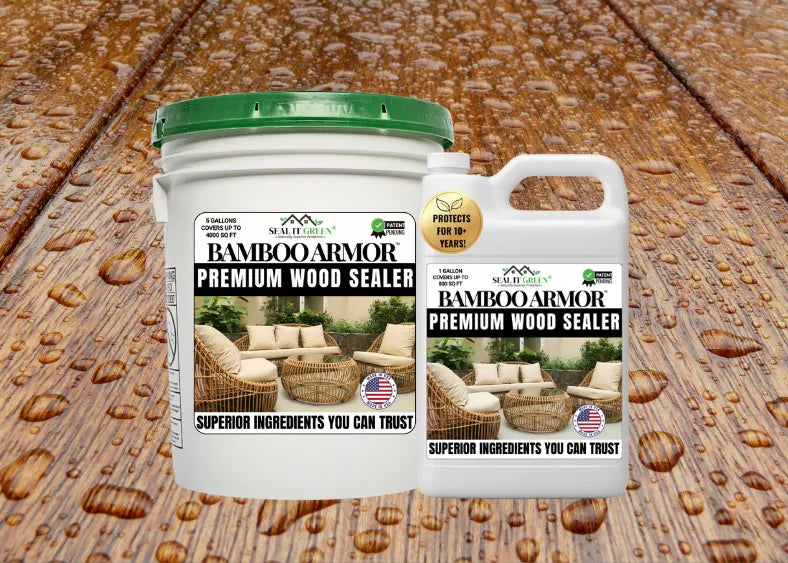
Bamboo has earned a strong reputation as one of the most sustainable materials available for modern homes. From stylish flooring and elegant furniture to outdoor fencing and decorative accents, bamboo combines durability with natural beauty. While its light golden appearance is attractive on its own, many homeowners prefer to customize the color and protect the surface using stain.
However, bamboo doesn’t behave exactly like traditional hardwood. Because it has a dense fiber structure, selecting the right bamboo wood stain and using proper application methods are essential for achieving an even, attractive finish. The wrong approach can lead to blotchy color, poor absorption, or premature wear.
This guide explains how to select the right stain, prepare bamboo correctly, and maintain a beautiful finish for years to come.
Why Choosing the Right Bamboo Wood Stain Matters
Many people assume that all wood stains work equally well on bamboo, but that’s not always true. Bamboo has a harder, smoother surface than many common woods, making stain absorption more challenging.
A high-quality bamboo wood stain provides several advantages:
- Enhances bamboo’s natural grain without covering its unique texture.
- Creates a customized appearance that matches your interior or exterior décor.
- Helps protect bamboo from everyday moisture, dirt, and fading.
- Improves the longevity of furniture, flooring, cabinets, and decorative features.
The right stain doesn’t simply change the color—it also highlights bamboo’s natural character while preparing it for years of everyday use.
Understanding How Bamboo Stain Works
Unlike porous hardwoods, bamboo contains tightly compressed fibers that absorb stain differently. Instead of soaking deeply into the material, many stains settle closer to the surface unless the bamboo is properly prepared.
This is why sanding plays such an important role before applying bamboo stain. A lightly sanded surface allows the stain to bond more evenly while minimizing streaks or uneven patches.
There are generally two common stain types:
Oil-Based Stains
Oil-based stains penetrate slowly and often create deeper, richer colors. They are ideal for furniture, cabinetry, and projects where maximum color depth is desired.
Water-Based Stains
Water-based products dry much faster and produce lower odors, making them popular for indoor DIY projects. They also allow easier cleanup while offering excellent environmental benefits.
The best option depends on your project, desired appearance, and working conditions.
Preparing Bamboo Before Staining
Proper preparation often determines whether the final result looks professional or disappointing.
Begin by inspecting the bamboo surface carefully. Remove dust, oils, grease, and any old finish that may prevent proper stain absorption.
Next, sand the bamboo using fine-grit sandpaper. Avoid aggressive sanding because bamboo’s outer layer is relatively thin compared to traditional hardwood.
After sanding:
- Remove all sanding dust using a microfiber cloth.
- Allow the bamboo to dry completely.
- Repair any scratches or dents before staining.
If you’re working with factory-finished bamboo flooring or furniture, completely removing the protective coating is essential before applying stain.
Pro Tip: Always stain bamboo in a dust-free environment. Airborne dust particles can settle on wet stain and affect the final appearance.
Selecting the Best Color for Your Project
Color selection depends on your personal style, room lighting, and the surrounding materials.
For bright, modern interiors, lighter stains preserve bamboo’s clean and airy look. Medium shades complement traditional homes, while darker finishes create dramatic contrast in contemporary spaces.
Some of the most popular stain colors include:
- Natural Honey
- Light Oak
- Antique Pine
- Provincial Brown
- Walnut
- Dark Espresso
Remember that stain samples often appear different once applied to bamboo because of its unique grain structure.
Example
A bamboo dining table paired with white walls and black metal chairs looks sophisticated with a medium walnut finish, while the same table stained honey gold creates a brighter Scandinavian-inspired space.
Step-by-Step Application Process
Applying stain carefully helps ensure consistent color across the entire surface.
First, stir the stain thoroughly without creating bubbles. Apply it using a foam brush, staining pad, or lint-free cloth while following the direction of the bamboo fibers.
Allow the stain to sit for several minutes before wiping away the excess with a clean cloth.
For darker finishes:
- Apply a thin first coat.
- Allow sufficient drying time.
- Lightly sand if recommended.
- Apply a second coat evenly.
- Finish with a clear protective sealer.
Patience during drying is essential. Applying additional coats too early may cause uneven coloring or poor adhesion.
Indoor vs. Outdoor Bamboo Projects
Not every stain performs equally well in different environments.
Indoor bamboo furniture usually requires stain followed by a protective polyurethane finish to resist scratches and daily wear.
Outdoor bamboo furniture, fencing, or pergolas face moisture, sunlight, and changing temperatures. In these situations, UV-resistant stains and weatherproof sealers provide much longer-lasting protection.
Example
A stained indoor bamboo bookshelf may only require occasional dusting, while an outdoor bamboo bench should receive a fresh protective coating every one to two years.
Common Mistakes That Affect Bamboo Finishes
Even experienced DIY enthusiasts occasionally encounter problems when staining bamboo.
The most common mistakes include applying stain directly onto glossy factory finishes, skipping surface preparation, or rushing between coats.
Avoid these common errors:
- Applying thick coats instead of multiple thin layers.
- Ignoring manufacturer drying recommendations.
- Forgetting to seal the stained surface.
- Using low-quality brushes that leave streaks.
- Testing color directly on the finished project without a sample area.
Careful preparation saves significant time compared to correcting staining mistakes later.
Pro Tip: Keep extra stain from the same batch for future touch-ups. Different production batches can vary slightly in color.
Caring for Stained Bamboo Surfaces
Maintaining stained bamboo doesn’t require expensive products, but consistent care makes a noticeable difference.
Clean surfaces using a damp microfiber cloth rather than soaking them with water. Avoid abrasive cleaners that can gradually damage the protective finish.
Furniture placed in direct sunlight should occasionally be rotated to reduce uneven fading. For high-traffic bamboo flooring, using rugs near entrances helps minimize scratches caused by dirt and debris.
Regular inspections allow small scratches or worn areas to be repaired before they become major refinishing projects.
Conclusion
Choosing the right bamboo wood stain is about more than simply changing color—it’s about protecting one of nature’s most sustainable building materials while enhancing its natural beauty. Whether you’re updating flooring, restoring furniture, or completing a custom DIY project, using the proper bamboo stain, preparing the surface carefully, and applying multiple thin coats will produce lasting results.
With thoughtful color selection, quality finishing products, and regular maintenance, stained bamboo can retain its elegant appearance for many years. Investing a little extra time during preparation ensures a finish that looks professional, withstands everyday use, and highlights the unique character that makes bamboo such a timeless material.